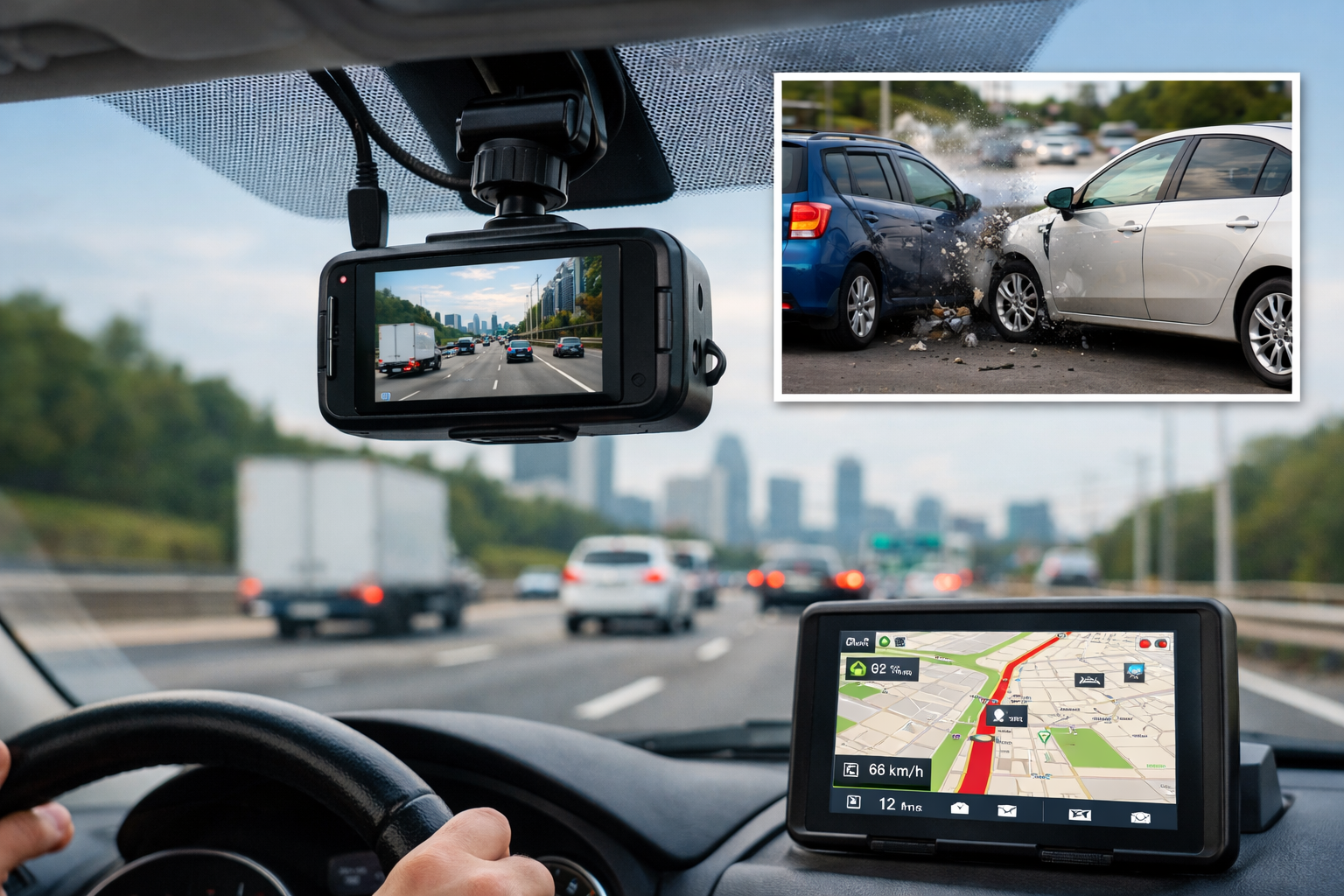
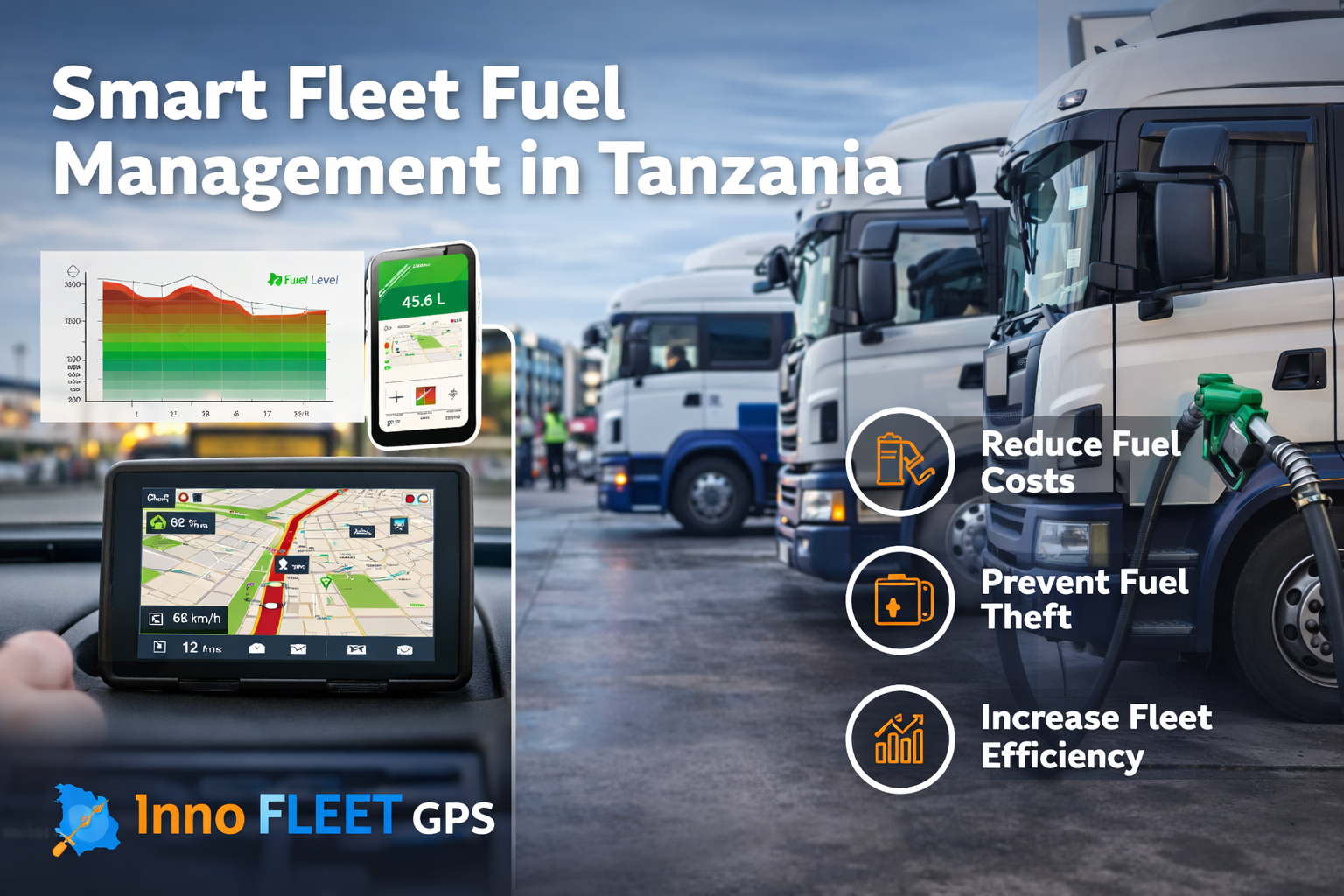
With intelligent fuel monitoring, managers can instantly know:
 Where fuel was consumed
 When refueling happened
 Which vehicle consumes more fuel
 How long engines remain idle
Instead of guessing, decisions are now based on real operational data.
Multiple Fuel Monitoring Methods
Advanced fleet platforms support different fuel monitoring technologies depending on vehicle type.
1. Fuel Level Sensors (FLS)
Measures actual fuel inside the tank and compares fuel levels over time for high accuracy monitoring.
2. CAN Bus Data
Reads fuel consumption data directly from the vehicle’s onboard computer system — ideal for modern trucks and heavy vehicles.
3. Mathematical Fuel Calculation
Uses engine working hours and operational parameters to estimate fuel usage where sensors are unavailable.
Combining these methods provides higher accuracy and deeper business insights.
Fuel control with Wialon
Driver Behavior and Fuel Efficiency
Driver performance plays a major role in fuel consumption.
Eco-driving monitoring helps identify:
-
Harsh acceleration
-
Overspeeding
-
Sudden braking
-
Long idling periods
Improving driver behavior alone can significantly reduce fuel usage while extending vehicle lifespan.
Full Control Over Fleet Fuel Budget
When fuel data is centralized into one system, businesses gain:
 Accurate fuel budgeting Reduced operational leakage Improved trip planning Increased fleet productivity Better profitability margins
Companies worldwide are adopting intelligent fleet systems to maintain operational control and remain competitive.
Why Tanzanian Logistics Companies Need Fuel Monitoring
In Tanzania’s transport industry — especially trucking, construction, mining, and distribution — fuel misuse is one of the biggest hidden losses.
By integrating Inno Fleet GPS Fuel Monitoring Solutions, businesses can:
-
Prevent fuel theft
-
Monitor long-distance trips
-
Optimize delivery routes
-
Reduce unnecessary fuel expenses
-
Improve fleet accountability
Conclusion
Fuel efficiency is not only about how far vehicles travel — it depends on how long they operate and how they are driven.
Companies that combine GPS tracking, fuel sensors, and intelligent reporting gain a powerful advantage in controlling operational costs.
With Inno Fleet GPS, fleet owners move from estimation to data-driven fuel management — turning fuel control into business growth.